 TouchéGet the app
Fun facts with the full story
149 short, true stories behind the things you use every day. Each one names its source.
In 1943 the US banned sliced bread.
Answer to read the story.For seven weeks, partly to save on wrapping. Read the story
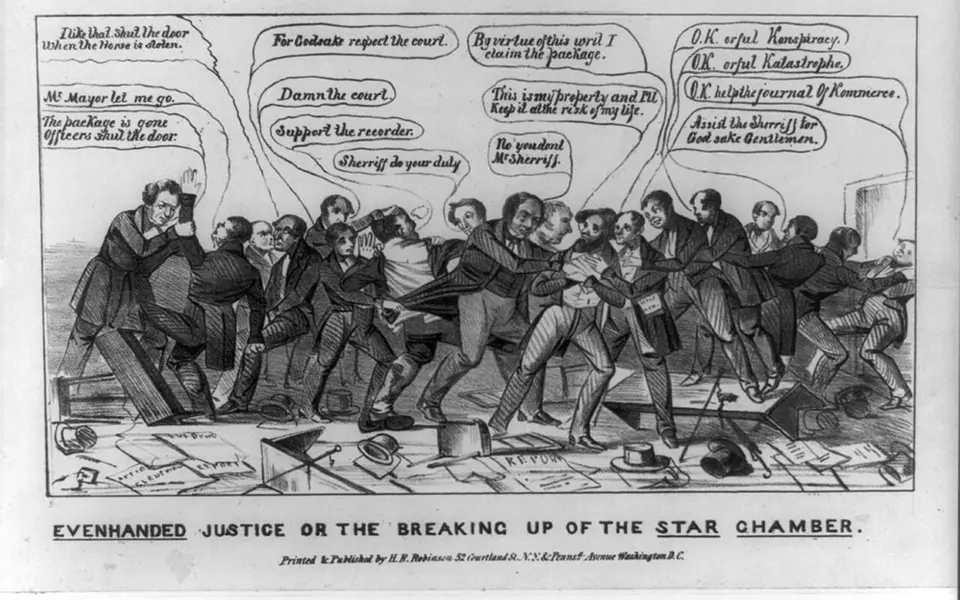
Most dictionaries trace OK to an 1839 newspaper joke
In the late 1830s Boston had a fad for abbreviating deliberately misspelled phrases, and O.K.
Read the story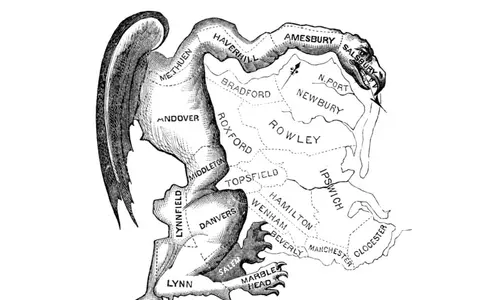
Gerrymander began with a hard G, the way Gerry said it
In 1812 Governor Elbridge Gerry of Massachusetts signed a bill redrawing the state senate districts to help his party, though his son-in-law said he found it "highly disagreeable." A Boston paper decided one district looked like a salamander and named it after him.
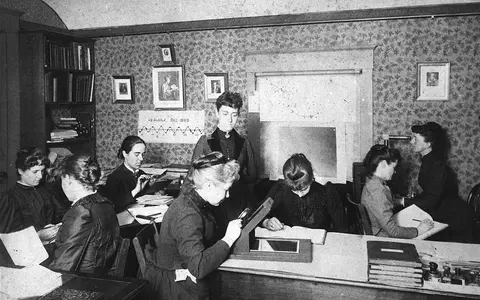
For over 300 years, a computer was a person
The word is first recorded in 1613, for someone who does calculations. Astronomers and navigators relied on teams of them, and from the late 1800s many were women.
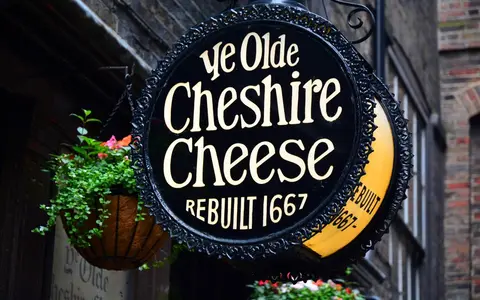
The ye in Ye Olde was a printer's stand-in for "the"
English once had a letter of its own for th, called thorn, and scribes wrote the as þe.
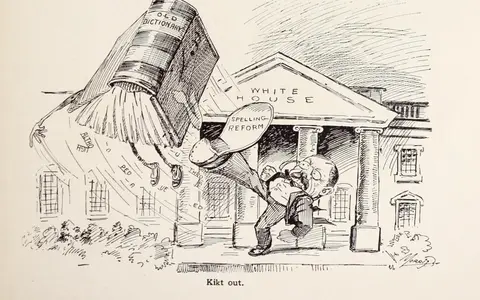
Theodore Roosevelt's order to write "tho" lasted four months
In August 1906 the president told the Government Printing Office to use 300 simplified spellings, such as "tho" and "wisht." Newspapers on both sides of the Atlantic mocked him, and the Supreme Court kept printing its opinions the old way.
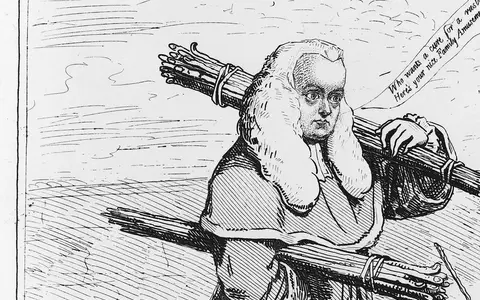
Rule of thumb was tied to wife-beating only in the 1970s
The phrase is in print by the 1680s, meaning a rough practical method.
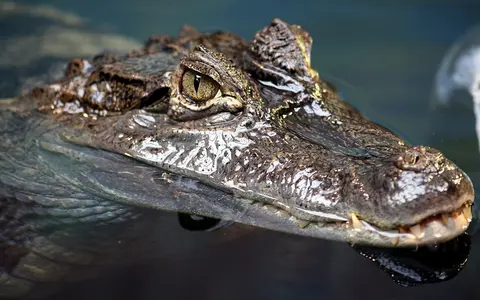
Crocodile tears were put to the test in 2006, on caimans
An old story said crocodiles weep while they eat their victims, and "crocodile tears" came to mean fake grief. Crocodiles do make tears, to keep their eyes wet.
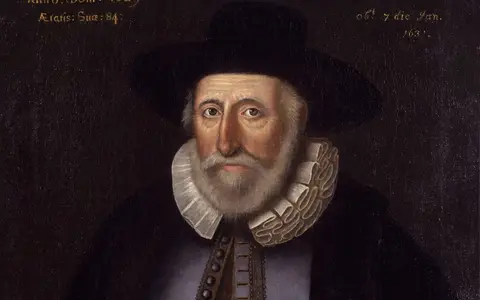
Hobson's choice is said to come from a Cambridge stable
Thomas Hobson carried mail between Cambridge and London and rented his horses to students in between.
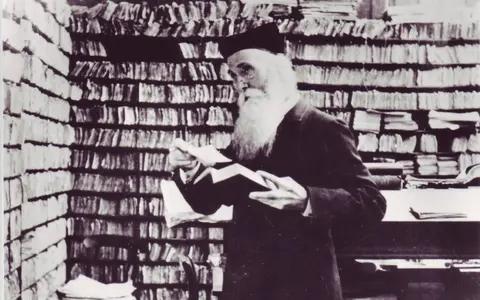
Five years into a ten-year plan, the OED had reached "ant"
In 1879 Oxford University Press signed up James Murray to edit a new dictionary of English: four volumes, finished in ten years.
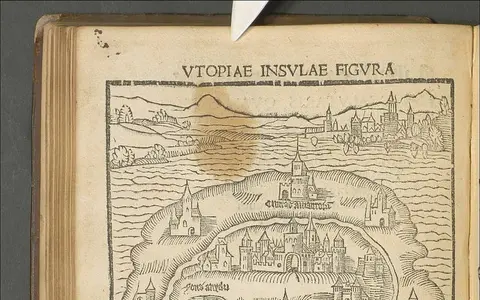
Utopia means "no place," and More filled it with joke names
Thomas More coined the word in 1516 for an imaginary island, from the Greek for "not" and "place." Its river is called Nowater, and the traveler who describes it is named for nonsense.
149 stories. Ten free a day.
In the app these are the Learn cards.