 TouchéGet the app
The real Smokey Bear was named after the poster
The Forest Service's fire-prevention bear first appeared on a poster in 1944.
In the spring of 1950 a wildfire burned through the Capitan Mountains of New Mexico. Afterward a black bear cub was found that had climbed a tree to escape it. He was about three months old and weighed five pounds, and the fire had burned his paws and hind legs.
At first he was called Hotfoot Teddy. Ray Bell, a ranger with the New Mexico Department of Game and Fish, heard about him and took him to Santa Fe, where Bell's family and a local vet looked after him. Then the cub was renamed after a bear who already existed on paper.
Smokey Bear had been the Forest Service's fire-prevention character since 1944. Before that, Walt Disney had let the government use Bambi in its fire-prevention campaign, but only for a year, and the Forest Service needed a character of its own. It chose a bear based on a rough sketch by its artist Harry Rossoll. The name came from "Smokey" Joe Martin, a New York firefighter who had been burned and blinded during a rescue in 1922. On the first poster, in October 1944, Smokey wore jeans and a campaign hat and poured a bucket of water on a campfire.
The burned cub made the national news, and people wrote and called to ask how he was. The state game warden offered him to the Forest Service on one condition: he had to be dedicated to conservation and fire-prevention publicity. In June 1950 he was flown to Washington, with an overnight stop at the St. Louis Zoo, where a room had been prepared for him. Several hundred people, Boy Scouts and Girl Scouts among them, were waiting at the National Zoo.
What type of animal is a dolphin?
WhyDolphins breathe air through a blowhole on top of the head and nurse their young with milk. That makes them mammals, not fish. Their ancestors were land animals with hooves.
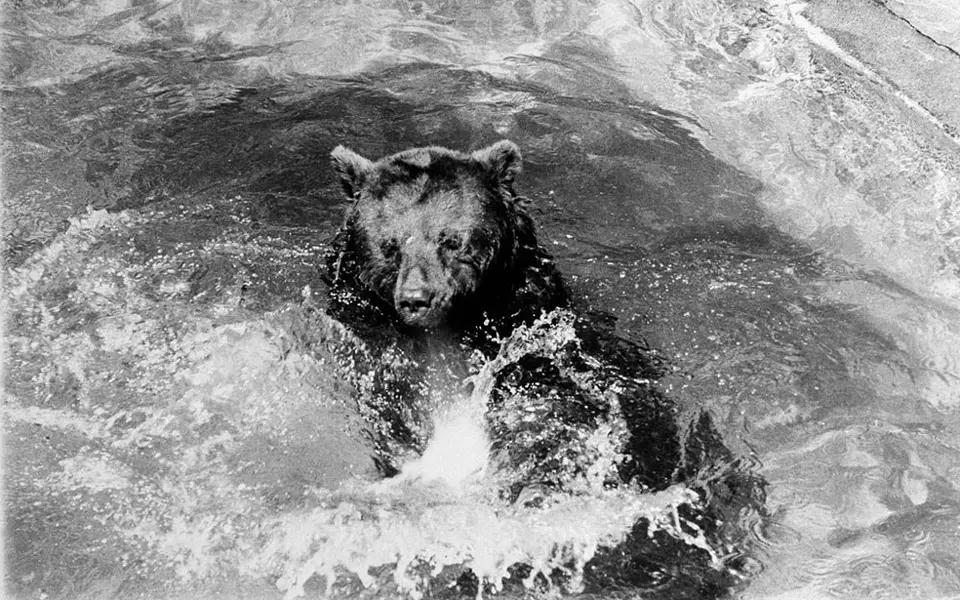
He lived there for 26 years. So many letters came for him that in 1964 the Post Office gave him his own ZIP code, 20252, which is still in use. Along with his daily bluefish and trout, he developed a taste for peanut butter sandwiches.
In 1962 the zoo paired him with a female, Goldie, in the hope of a cub who could take over the title. None came. In 1971 the zoo brought in Little Smokey, another orphaned cub from the same national forest, and announced that the couple had adopted him. When Smokey retired in 1975, Little Smokey became Smokey Bear II.
The first Smokey died on November 9, 1976. The government sent his body back to Capitan, the town at the foot of the mountains where he was found, and he was buried there. The Washington Post ran an obituary that described him as a New Mexico native with many years of government service in Washington. It also pointed out that he and Goldie were not blood relatives, even though they shared the last name Bear.