 TouchéGet the app
The first Oscar winners were announced three months early
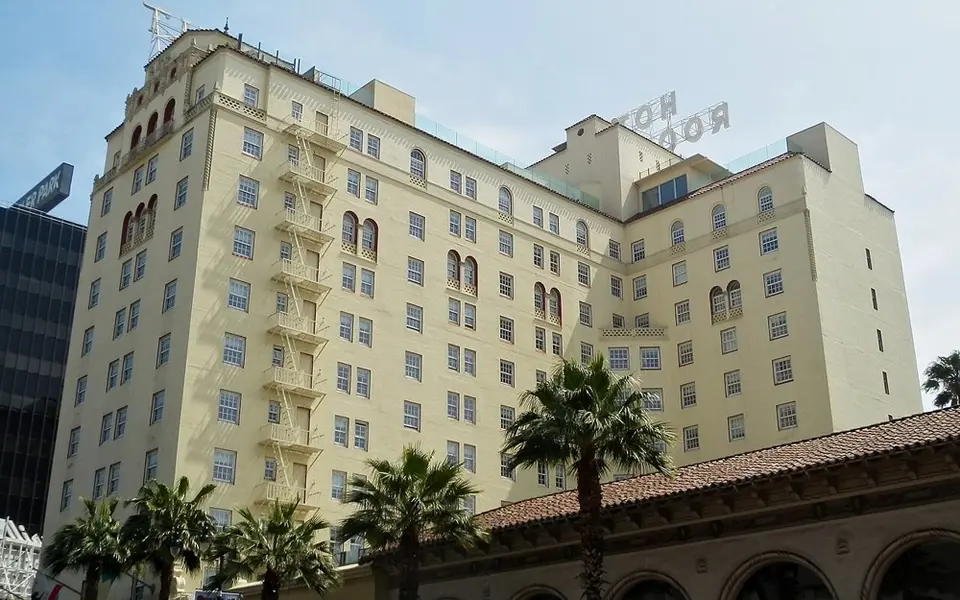
The first Academy Awards dinner, on May 16, 1929, lasted 15 minutes. Nobody in the room had to wait for a result.
The first Academy Awards were handed out on May 16, 1929, at a private dinner at the Hollywood Roosevelt Hotel. About 270 people came, on $5 tickets. The ceremony took 15 minutes. It is the only Oscars ceremony that went out on neither radio nor television.
Nobody at the dinner was waiting to hear who had won. The Academy had announced the winners three months earlier. The Best Actor, Emil Jannings, had to go back to Europe before the ceremony, so the Academy gave him his statuette early. He posed for photographs with it and left for Germany, which makes him the first person ever to receive an Academy Award.
Jannings won for two films, The Last Command and The Way of All Flesh. The rules that first year allowed it, and Janet Gaynor won Best Actress for three.
The Academy was only two years old. Louis B. Mayer, whose studio later became part of MGM, had founded it in 1927. He later said of the awards: "I found that the best way to handle [filmmakers] was to hang medals all over them."
Which movie has the line "Are you not entertained"?
WhyOliver Reed, who plays the gladiator trainer Proximo, died of a heart attack before all his scenes were shot. The script was rewritten to kill Proximo off, and Reed's face was digitally added to a body double.
That first year also had two top prizes. Wings, a war film about World War I fighter pilots, won Outstanding Picture. Sunrise won Unique and Artistic Production. The next year the Academy dropped the second category and decided after the fact that the Wings award had been the highest honor. Wings is counted as the first Best Picture winner, and the only fully silent film to win.
From the second ceremony, in 1930, the Academy changed its method. For the rest of the decade it gave the results to newspapers, to be published at 11 p.m. on the night of the awards.
In 1940 the Los Angeles Times broke that promise. It printed a largely accurate list of winners before the ceremony, and many nominees, Clark Gable and Bette Davis among them, knew whether they had won before they arrived. At the next ceremony, in February 1941, the names came in sealed envelopes, and the ballots had been counted by the accounting firm Price Waterhouse.