 TouchéGet the app
A court ordered every copy of Nosferatu destroyed
Nosferatu (1922) was Dracula with the names changed, made without permission.
Florence Stoker learned about Nosferatu from an anonymous letter sent from Berlin. Inside was the program of a lavish premiere held at the Berlin Zoological Garden in 1922, with a full orchestra. The program described the film as "freely adapted from Bram Stoker's Dracula."
Florence was the literary executor of her late husband, and she was short of money. She had not given permission for the film, and nobody had paid her for it. She wanted compensation, and she also wanted the negative and every print destroyed. She never saw the film herself.
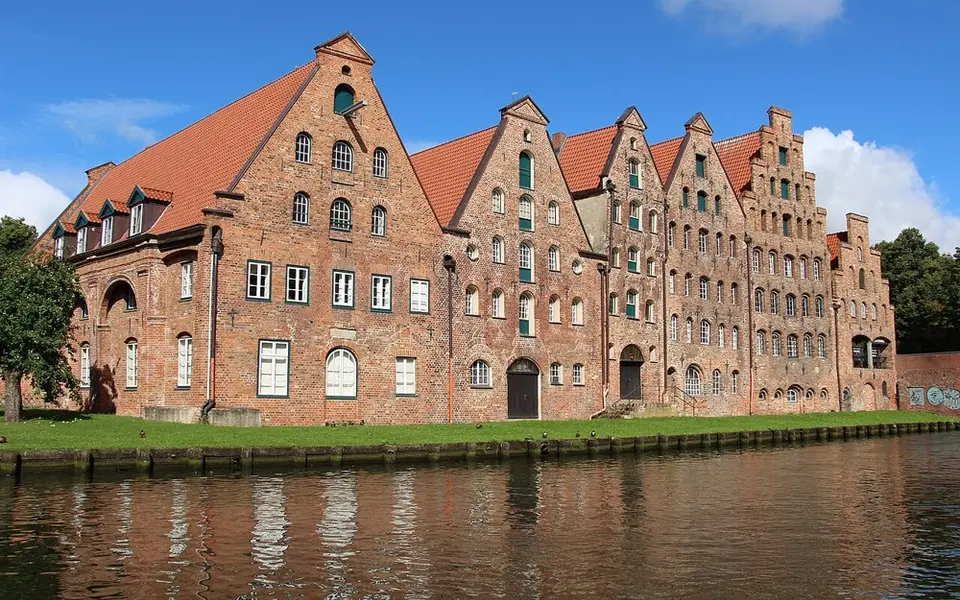
The resemblance to the novel was plain. The screenwriter, Henrik Galeen, had moved the story to a fictional north German port called Wisborg, renamed Count Dracula as Count Orlok and added a plague carried by rats on the ship. The changes are often described as a way around copyright, but the original German title cards named Dracula as the source. In Lübeck, a row of old salt warehouses stood in for Orlok's new house in Wisborg.
The film came from Prana Film, a studio set up in 1921 by Enrico Dieckmann and the occultist artist Albin Grau. Nosferatu was the only film it ever made. Florence sued, with lawyers from Britain's Incorporated Society of Authors. The case dragged on, and Prana declared bankruptcy to avoid paying her.
Which holiday does Seinfeld's Frank Costanza celebrate with an aluminum pole?
WhyWriter Dan O'Keefe's father held the holiday with his family as early as 1966, long before the 1997 episode "The Strike." The show's producers heard about it through O'Keefe's brother and insisted it go in.
In July 1925 the final ruling went her way. The negative and all prints were to be handed over to her and destroyed. There was only one original negative, because the cameraman, Fritz Arno Wagner, had worked with a single camera to save money.
Copies had already left Germany. The film opened in the Netherlands in February 1922, before its Berlin premiere, and prints went to English-speaking countries, where distributors spliced in title cards of their own. In the late 1920s prints began to resurface, and in 1929 the film was shown in New York and Detroit.
The copies drifted from the original. A 1930 sound version, re-edited in Vienna without Murnau's knowledge, renamed the characters again, and Orlok became Prince Wolkoff. The French print that New York's Museum of Modern Art used for a 1981 restoration had title cards that gave the characters their names from Stoker's novel. In 2019 Nosferatu entered the public domain worldwide.