 TouchéGet the app
Moscow's clocks are still on the summer time of 1930
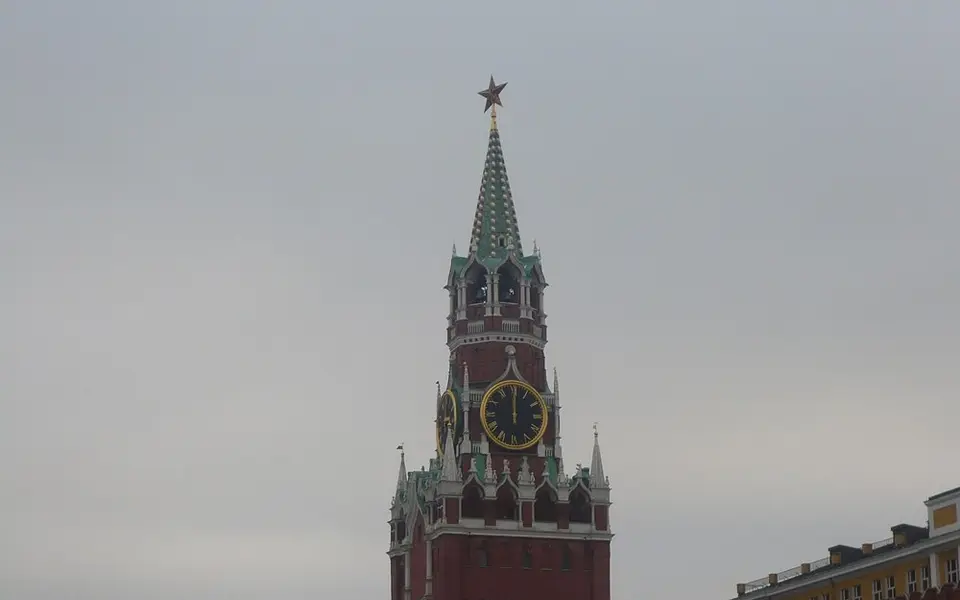
At midnight on June 21, 1930, the Soviet Union moved every clock forward an hour for the summer. In the fall the hour stayed.
At midnight on June 21, 1930, every clock in the Soviet Union went forward one hour. The decree said this was until September 30, the end of the Soviet economic year.
On September 30 the government extended it "until a special decree." The special decree came in February 1931, and it kept the extra hour "until repealed."
The official reason was better use of daylight and of electricity. The pressure that kept the hour in place came from the power plants. They had little or no spare capacity, and the extra hour was meant to cut their peak load on fall and winter evenings. In 1931 the Supreme Council of the National Economy proposed moving the clocks forward a second hour. The State Planning Committee turned it down.
In 1935 a decree to return to standard time was drafted and cleared every approval, and then it was never adopted. That December some newspapers reported that the clocks would go back on January 1. The Politburo reprimanded the head of the weights and measures office for publishing "this inappropriate project," and the TASS news agency put out a denial: nobody was proposing to move the clocks back.
What is the capital of Greece?
WhyWhen Athens was made the capital in 1834, about 4,000 people lived there, in houses scattered below the Acropolis. It got the job because of its past. The first capital of independent Greece was Nafplio.
Moscow had been given a time zone two hours ahead of Greenwich. With the extra hour it ran three hours ahead. In 1981 the country added summer time on top of that, so in summer the clocks were two hours ahead of standard time. In the western parts of the Novosibirsk and Tomsk regions, the summer sun stood highest at about 3 p.m.
In March 1991, months before the Soviet Union broke up, the extra hour was abolished. In October Russia's parliament ordered it back. The change, it said, had reduced daylight hours over much of the country, "caused discontent among the population" and raised electricity use. The hour returned in January 1992.
In 2011 Russia stopped changing its clocks twice a year, citing health concerns, and stayed on summer time all year round. With the 1930 hour still in place, Moscow was now four hours ahead of Greenwich. Much of the public did not support it, and on October 26, 2014, most of the country moved its clocks back one hour for good.
Moscow is now three hours ahead of Greenwich. That is one hour more than the zone it was on before June 1930.