 TouchéGet the app
All Hass avocados come from a tree a mailman nearly cut down
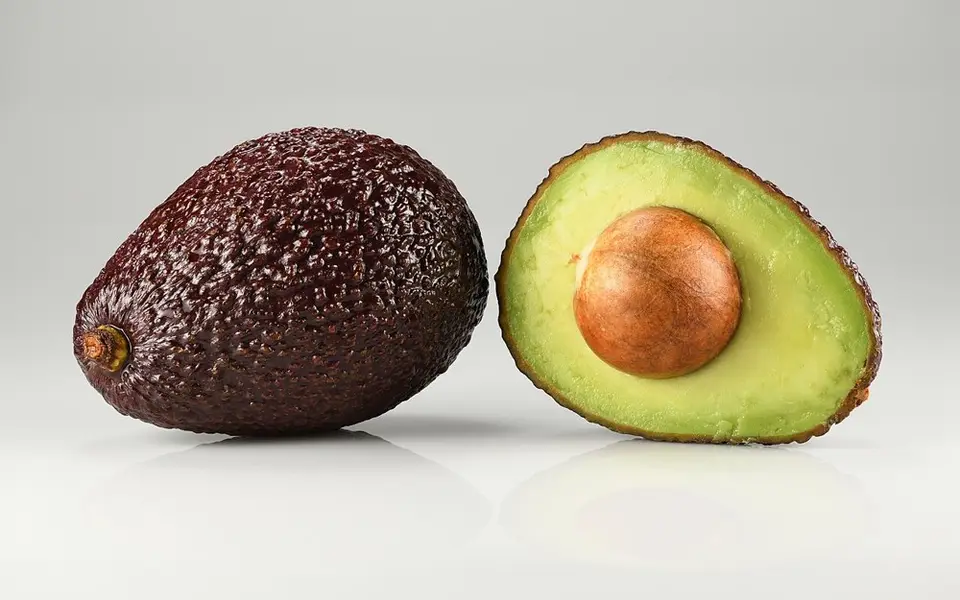
In the 1920s a California mail carrier named Rudolph Hass planted avocado seeds, meaning to graft a better variety onto the seedlings.
In 1925 Rudolph Hass, a mail carrier in Pasadena, California, read a magazine article with a picture of an avocado tree hung with dollar bills. He put in all the money he had, plus a loan from his sister, and bought an avocado grove of an acre and a half in La Habra Heights.
The best avocado on the market then was the Fuerte, and Hass wanted his grove grafted over to it. A professional grafter named Caulkins told him to buy seeds from A. R. Rideout, a nurseryman in Whittier, grow his own seedlings and graft Fuerte branches onto them. Rideout was collecting seeds wherever he could find them, even from restaurant scraps.
Hass planted three seeds to a hole. The Fuerte grafts took on nearly all the seedlings. One tree rejected the graft, was grafted again, and rejected it again. Hass asked Caulkins to chop it down. Caulkins said it was a good, strong tree and told him to "just leave it alone and see what happens."
The tree grew fast and straight up, and it bore fruit with bumpy skin. Hass's children liked the taste. When it gave more than the family could eat, Hass took the avocados to work and sold them to his co-workers at the post office. A grocery in Pasadena sold them for $1 each to chefs who cooked for the town's rich families. A dollar a day was then a typical food budget for a family of four or five.
What do bakers call the last rise of shaped dough?
WhyThe word has a second job. Bakers also proof yeast to check that it is alive: drop it in warm water with a little sugar, and a layer of foam means it is feeding. In Britain the dough rise is called proving.
In August 1935 Hass patented the tree. He signed with Harold Brokaw, a nurseryman in Whittier, who would grow and sell young trees grafted from it, and Hass was to get 25 percent. Growers bought a single tree from Brokaw and then grafted their whole groves from it. Over the life of the patent, Hass made less than $5,000. The patent ran out in August 1952, and he died that October.
Brokaw kept selling out anyway. Unlike the Fuerte, the Hass bore fruit all year round, and more of it, with a longer shelf life and a richer flavor from its higher oil content. Every commercial, fruit-bearing Hass avocado tree has been grown from grafts that go back to that one seedling.
Nobody knows what kind of avocado its seed came from. A genetic study published in 2019 concluded that the Hass is a cross, about 61 percent Mexican avocado and 39 percent Guatemalan.
As the suburbs of Southern California spread, the mother tree ended up in front of a house in La Habra Heights. It fought root rot for ten years and was cut down on September 11, 2002, at the age of 76.