 TouchéGet the app
Pokémon began with a boy's bug hunts and a Game Boy cable
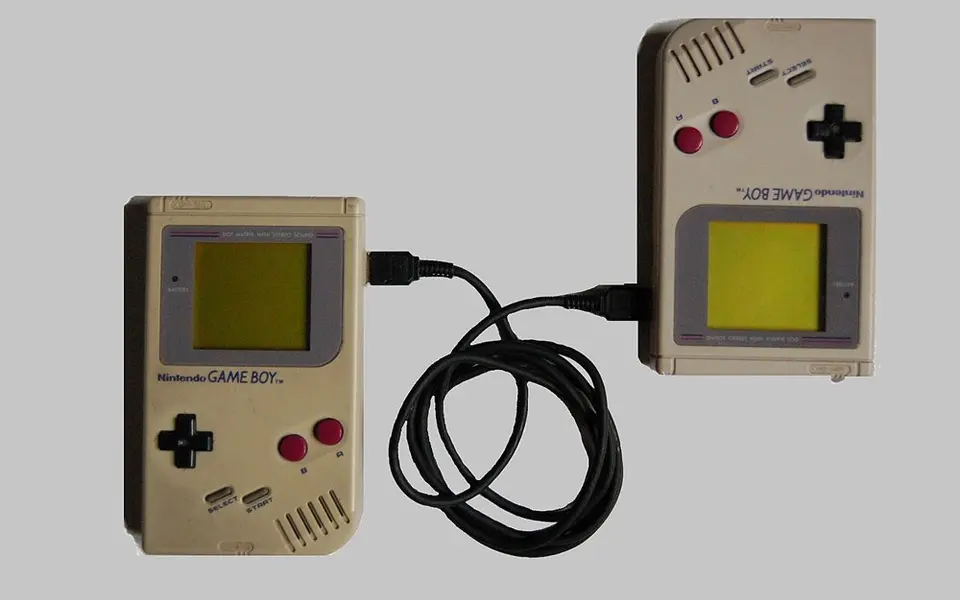
As a boy outside Tokyo, Satoshi Tajiri caught insects in fields that were later paved over. Years later he heard the new Game Boy would come with a cable linking two consoles.
Satoshi Tajiri grew up in Machida, a fast-growing suburb on the edge of Tokyo. As a child he caught insects and other small creatures in the ponds and fields around the town, and he and his friends swapped them. Other children called him "Dr. Bug," and he wanted to become an entomologist. As the suburb spread, the fields were built over and the insects went with them.
In junior high school an arcade opened in his neighborhood, and he turned to video games. As a teenager he started a handwritten magazine about them called Game Freak. An aspiring manga artist, Ken Sugimori, became its illustrator, and in 1989 the two turned Game Freak into a company that made games.
Around then Nintendo announced the Game Boy. It would have a port for a link cable, so two players could connect their consoles. Tajiri remembered a frustration from Dragon Quest II, in which some items turn up only rarely. He had never found a Mysterious Hat. Sugimori, playing the same game, had found two, and there was no way to pass one across. Until then link cables had been used only for competing. Tajiri saw that this one could move things from one cartridge to another.
He has said that when he thought about the cable, he pictured bugs crawling back and forth along it. He combined that picture with his memories of catching insects. Players would catch creatures of differing rarity, store them in small capsules, and swap them with friends in person. He later described the game as "the story of a boy's summer day."
Sonic the Hedgehog was created by which company?
WhyDesigner Naoto Ohshima took his sketches to Central Park and asked locals which one they liked best. Sonic won, and a man with a mustache came second. That man became Dr. Robotnik.
Nintendo signed a contract in 1990, but the budget was small and the idea kept growing. The project stalled for years and was taken up seriously again only in the summer of 1994. Making it nearly bankrupted Game Freak. Five employees quit, and Tajiri took no salary and lived on his father's income. Shigeru Miyamoto suggested releasing two versions, Red and Green, each with creatures the other lacked, so that finishing the collection meant trading.
Tajiri made defeated creatures faint instead of die. He believed it was unhealthy for children to connect death with losing a game.
Pocket Monsters Red and Green came out in Japan on February 27, 1996. The Game Boy was by then seven years old and widely thought to be near the end of its life, and Nintendo did not expect much. The games became sleeper hits. The hero was named Satoshi, after Tajiri. "Basically, he's me as a kid," he said.